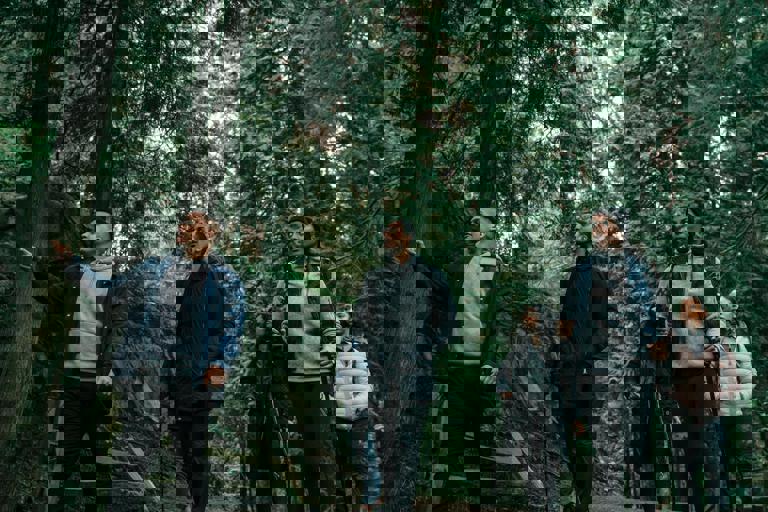
As urban living continues to accelerate in pace and intensity, residents are increasingly seeking pockets of calm just beyond city boundaries. A growing trend has emerged among nature enthusiasts and casual walkers alike: the discovery and enjoyment of hidden woodland trails lying quietly outside the urban sprawl. These lesser-known paths offer a much-needed antidote to the congestion and noise that often define city life, providing a tranquil refuge for those craving peace and quiet.
Explorers of these secretive routes often find themselves surrounded by ancient trees, serenaded by birdsong, and immersed in the gentle rustle of undergrowth beneath their feet. Many of these trails are not listed on mainstream tourist guides or widely publicised maps, lending them an element of adventure and exclusivity. As a result, locals who stumble upon them are treated to experiences that feel both personal and unique, fostering a strong sense of connection with the natural world.
Jonathan Eaves, a volunteer conservationist, explained, “People are realising how many natural havens are sitting just beyond the reach of city noise. These trail networks, sometimes centuries old, can reveal everything from rare wildflowers to glimpses of shy deer in the early morning.” For many, the discoveries made along these woodlands paths ignite a new appreciation for conservation efforts and the preservation of local ecosystems.
One of the primary appeals of these hidden trails is their capacity to offer a solitary or intimate experience, free from the queues and bustling crowds often encountered in popular urban parks. Unlike heavily trafficked city green spaces, these woodland walks usually provide ample opportunity for reflection, mindfulness, and unencumbered enjoyment of the outdoors. A regular walker, Susan Wilkins, noted, "It’s like finding another world just a few minutes’ drive away. It does wonders for my mental health.”
A recent survey conducted by the Woodland Trust found that over 68% of respondents felt their wellbeing improved after spending time on quieter, less frequented footpaths. The sense of escape and disconnection from electronic devices and city distractions is cited as a key draw for visitors. Psychologist Dr. Rachel Merton highlighted, "There’s growing evidence that immersion in natural, quiet environments contributes positively to stress reduction and emotional resilience."
In addition to their recreational benefits, some of these less-trodden routes have historical significance, weaving through areas that once served as ancient trade paths, pilgrimage routes, or remnants of old estate grounds. Local historian Peter Grant explained, "Many trails weave stories of our ancestors, passing forgotten boundary stones, ruins, and even wild orchards planted long ago." This blend of history and nature enhances the experience for those interested in the region's past.
For families, the hidden trails offer safe spaces for children to explore, play, and learn outside of structured settings. Parents often praise the sense of adventure the woods provide, encouraging youngsters to develop an appreciation for wildlife and environmental stewardship. “It’s refreshing to watch children discover streams, insects, and birds firsthand,” commented educator Lisa Browning, who frequently incorporates nature walks into her teaching repertoire.
As these trails become more popular through word of mouth and social media, some conservation groups have raised concerns about increased foot traffic and the potential impact on delicate ecosystems. Responsible use is key, according to park ranger Andy Lawrence: “Enjoy the trails, but stick to established paths and take any litter home. It’s crucial we protect these spaces for the future.” Education campaigns and local initiatives are underway to promote sustainable use of these areas among newcomers.
Technology is beginning to play a role in balancing awareness and preservation. Digital maps and apps are enabling walkers to find hidden trails while highlighting rules for responsible use. Some platforms even allow users to report issues like fallen trees or litter. This blend of traditional walking pursuits with modern tools is helping to broaden the appeal of these escapes without compromising their integrity.
Looking forward, urban planners and local councils are paying attention to the significance of these hidden routes. Several green infrastructure plans now include measures to better signpost entry points, provide informative signage, and connect fragmented woodland networks, making them more accessible while preserving their natural beauty. The aim is to encourage sustainable outdoor recreation, benefiting both human wellbeing and local biodiversity.
Ultimately, the re-emergence of hidden walking trails as cherished escapes underscores the public’s growing desire for balance in a fast-paced world. By venturing beyond the city’s perimeter and treading softly through leafy corridors, residents are not only nourishing their bodies and minds, but also fostering a deeper respect for the landscapes that surround them. As more people heed nature’s quiet invitation, these secret paths promise to remain treasured sanctuaries for generations to come.