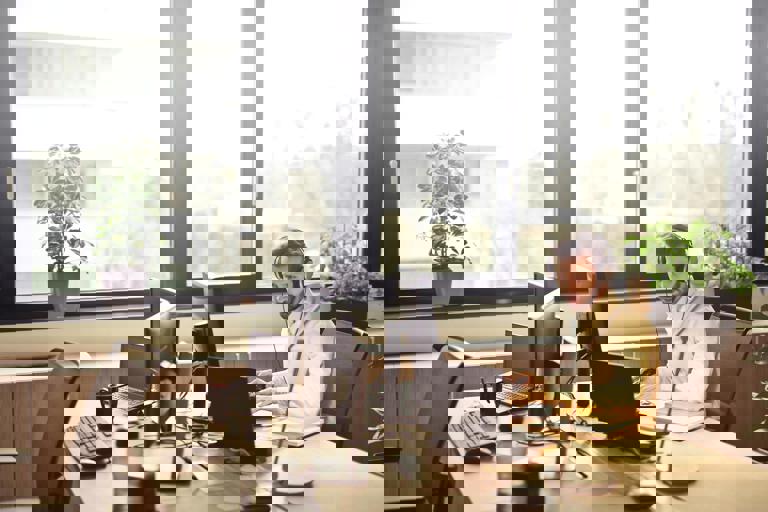
A prominent technology company has made waves in the business world by radically rethinking the traditional office model. Driven by a growing trend towards remote and hybrid work, the firm made the strategic choice to convert its headquarters into a dynamic co-working space. This significant transformation reflects broader shifts in workplace culture and the increasing demand for flexible, collaborative environments, especially among freelancers and innovative start-ups.
The decision came after an internal review revealed that most employees preferred working remotely or splitting time between home and office. Company spokesperson Emma Harris explained, "We saw an opportunity to reimagine our office as a resource, not just for our staff, but for the wider business community." The newly remodeled headquarters now offers hot desks, dedicated offices, and meeting rooms available to outside users.
According to recent industry reports, hybrid and remote work setups have seen dramatic growth in the UK, especially following the COVID-19 pandemic. Nearly 60% of British office workers report a desire for flexible work arrangements, according to a 2023 survey by the Chartered Institute of Personnel and Development (CIPD). Businesses are adjusting their real estate strategies, with demand for traditional long-term leases steadily decreasing.
For technology start-ups and freelance professionals, accessible and affordable workspace is often a major challenge. The tech firm’s headquarters transformation addresses this gap by providing hourly, daily, and monthly rentals, as well as access to high-speed internet, collaborative zones, and networking events. Local entrepreneur Jamie Patel commented, "Being able to book a professional meeting room at short notice has made all the difference for my client presentations."
To foster a sense of community and support entrepreneurial growth, the company is offering regular workshops, pitch nights, and mentorship sessions. These events are designed to help new ventures build connections and access valuable guidance from experienced business leaders. "Our goal is to create not just a physical space, but an ecosystem where productivity and innovation can thrive," Harris added.
The environmental impact of underutilized office space has also played a role in the company’s decision. By repurposing their headquarters rather than leaving it largely empty, the firm has minimized waste and supported sustainability goals. Many observers note that such adaptive reuse can lessen the carbon footprint compared to constructing new buildings, aligning with growing calls for corporate environmental responsibility in Britain.
Financially, shifting to a flexible workspace model offers advantages as well. By opening doors to the public, the company diversifies its revenue streams, reducing dependence on its core operations alone. Property analyst Jonathan Miles explained, "We’re likely to see more businesses leveraging their assets this way, as hybrid work redefines what it means to have a successful corporate real estate strategy."
Employees who do venture into the office are benefitting from the co-working setup too. R&D team member Laura Stevenson pointed out, "When I come in, I love exchanging ideas with freelancers from completely different fields. It’s a refreshing change from the old cubicle structure and has sparked creative solutions in my own work." This new approach appears to boost both productivity and job satisfaction.
Looking ahead, the technology firm plans to track the impact of their headquarters’ transformation, gathering feedback from members and monitoring usage patterns. There are also ambitions to expand the co-working model to other locations if demand remains strong. As businesses across Britain rethink their office footprints, this innovative project stands as a potential blueprint for the future of work in a rapidly evolving landscape.