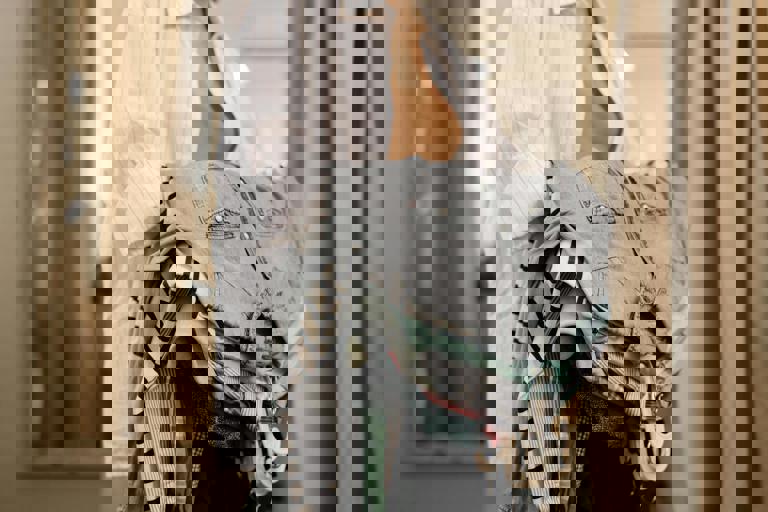
A new force in the fashion industry has arrived, promising sustainability without compromising on style. The recently launched start-up, ReWear Denim, has debuted an online collection of jeans crafted entirely from recycled materials. With a surge in consumer awareness about environmental responsibility, ReWear Denim’s arrival comes at a pivotal moment. The company positions itself at the intersection of environmentalism and contemporary fashion, aiming to appeal to customers seeking both ethics and aesthetics.
Founders of ReWear Denim say their mission is to tackle both textile waste and industry opacity. "We wanted to address two major issues: the mounting landfill crisis due to discarded clothing, and the lack of transparency in supply chains," explained co-founder Priya Anand in a press release. The brand’s unique value proposition hinges not just on their use of recycled textiles, but also on openly sharing information about their sourcing and manufacturing processes.
The new denim collection is exclusively available via the brand’s official e-commerce platform. Items in the line include classic straight-leg jeans, contemporary skinny fits, and even relaxed boyfriend styles, all boasting updated washes and finishes. Prices range from £55 to £95, setting a competitive benchmark for eco-friendly denim. Notably, each product listing details the origin of the recycled fibres and the steps taken during production.
Industry experts are viewing ReWear Denim’s launch as a sign of positive change. The Ellen MacArthur Foundation, a leader in circular economy research, reports that the fashion industry produces approximately 92 million tonnes of textile waste annually worldwide. Denim, known for its heavy resource use, has been singled out as both a particularly challenging and promising segment for sustainable innovation.
Manufacturing a single pair of traditional jeans can require up to 7,500 litres of water, according to the International Union for Conservation of Nature. By contrast, ReWear Denim states that its recycled denim process cuts water usage by at least 60%. Their jeans are made using cotton salvaged from post-consumer clothing, combined with sustainably sourced recycled polyester, reducing the demand for virgin fibres.
To further boost transparency, ReWear Denim invites customers to trace a garment’s journey using unique QR codes attached to every pair of jeans. Scanning a code reveals details about textile origin, processing facilities, and finishing methods. "We believe every shopper deserves to know the real story behind their clothes," said co-founder Jamie O’Neill. "Openness in fashion must become the standard, not the exception."
Consumer response so far appears overwhelmingly positive, with the start-up reporting triple-digit growth in pre-orders since announcing their online launch. Early adopters praise not only the mission but the quality and style of the denim itself. Zoe Turner, one of the brand’s first customers, commented, "It feels great to finally buy jeans that align with my values. They’re soft, comfortable, and look fantastic."
Industry analysts point out that sustainable fashion is increasingly big business in Great Britain. According to a recent report by GlobalData, UK sales of sustainable apparel grew 28% from 2021 to 2023, outpacing growth in traditional fashion segments. Younger generations, especially Gen Z and Millennials, are driving this change, prioritising ethical and eco-friendly products in their purchasing decisions.
With this shift in demand, larger retailers are also beginning to take notice. Major high street brands have started to incorporate recycled materials into their collections, but ReWear Denim believes its start-up agility and mission-driven ethos will set it apart. “Unlike larger companies making incremental adjustments, we built our business model on total sustainability from day one," said Anand.
In addition to the environmental benefits, ReWear Denim claims to support fair labour practices throughout its supply chain. The start-up partners with certified manufacturing facilities that ensure fair wages, safe working conditions, and respect for workers’ rights. Independent audits and public reports will be published annually. This approach resonates strongly with customers, who increasingly scrutinise brands for ethical lapses beyond just materials.
Charities and environmental groups have voiced their support for the new retailer. The organisation Textile Recycling for Britain highlighted ReWear Denim during its recent Sustainable Fashion Week panel, citing the brand as a model of best practices. Panel chair Dr. Hannah Simons lauded the company’s commitment, stating, "It’s encouraging to see a young company prioritising both people and the planet across their entire operation."
Looking forward, ReWear Denim has plans to expand its product range. Co-founder O’Neill hinted at upcoming launches, including recycled denim jackets, shorts, and possibly a limited-run collaboration with UK-based street artists. “We see huge opportunity to blend sustainability with creative expression,” he noted. The brand also intends to host pop-up shops, allowing customers to see and feel the difference of eco-friendly denim in person.
Despite its early successes, ReWear Denim faces significant challenges ahead. Competing with well-established brands, maintaining ethical supply chains at scale, and convincing cost-conscious customers to pay a premium for sustainability are all hurdles the start-up must overcome. However, company leaders remain optimistic, citing robust early sales and widespread media attention as encouraging signs for the future of sustainable fashion in Britain and beyond. The journey for eco-friendly denim is only just beginning, but it may soon become the norm rather than the exception, thanks to innovators like ReWear Denim.